
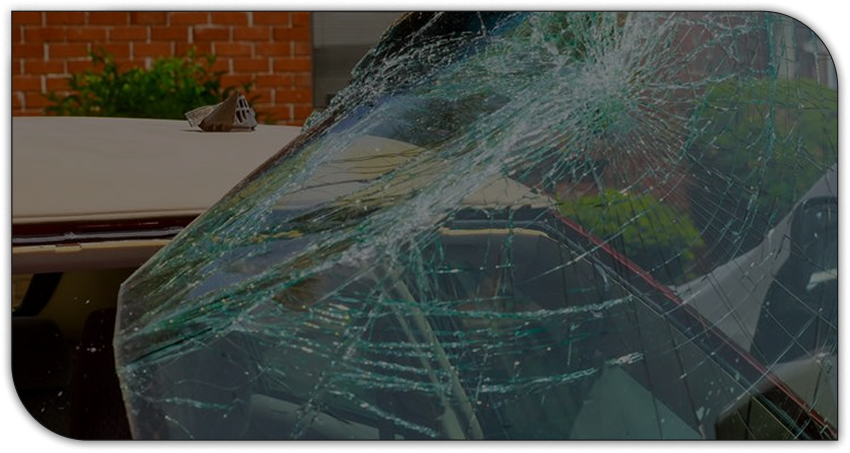
A windshield crack may look small at first, but it rarely stays that way, and most drivers are caught off guard by how quickly it spreads across the glass without any new impact.
This happens for a reason.
Windshield cracks follow basic physical behavior, and once the process starts, the damage responds to stress, movement, and temperature changes in ways that make it grow over time.
Understanding this helps you act early and avoid turning a simple repair into a much larger problem.
Why Windshield Cracks Spread in the First Place
Your windshield is made using laminated glass, which means two layers of glass are bonded together with a thin plastic layer in between, and this design improves safety but does not prevent cracks from forming or spreading.
When a chip occurs, it creates a weak point in the structure of the glass, and that weak point cannot handle pressure the same way as the rest of the surface.
As you drive, your car experiences constant movement from road vibration, speed, and small shifts in motion, and those forces apply pressure to the damaged area.
Instead of spreading evenly, the stress focuses on the crack, causing it to extend outward from the original point of impact.
How Stress Builds and Pushes the Crack Further
Every time your vehicle moves, the windshield flexes slightly, even though it feels solid and stable from the inside.
This natural movement becomes a problem when the glass is already damaged.
The edges of a crack are sharp and unstable, and they act as points where pressure builds up instead of spreading evenly across the surface.
As stress continues to hit those edges, the crack grows longer or begins to branch into different directions, which is why a small chip can turn into a long line across the windshield.
If you delay windshield crack repair woodbridge, the damage continues to react to this pressure and becomes harder to control.
The Impact of Temperature Changes on Glass
Temperature plays a major role in how fast a crack spreads, because glass expands when it gets hot and contracts when it cools down, and these changes create movement within the windshield.
If your car is parked under direct sunlight and then exposed to cooler air, the glass shifts slightly, and that shift adds stress to the crack.
The same effect happens during colder weather when the inside of the car heats up quickly while the outside remains cold.
This uneven temperature causes the glass to move at different rates, which increases pressure on the damaged area and speeds up crack growth.
For many drivers, this is the reason they notice the crack spreading overnight, especially when windshield crack repair Milton is delayed.
Road Conditions and Daily Driving Effects
Driving conditions also have a direct effect on how a crack behaves over time, because every bump, pothole, or uneven surface sends small shocks through the vehicle.
Those shocks travel through the frame and reach the windshield, where they add stress to the damaged area.
Even something as simple as closing your car door with force can create enough vibration to affect an existing crack.
These repeated impacts may seem minor, but they build over time and cause the crack to expand faster than expected.
Why Timing Is Critical for Repair
There is always a limited window where a crack can still be repaired instead of replaced, and once that window closes, the damage becomes permanent.
Small chips and short cracks can usually be repaired if they are treated early, but once the crack grows longer or spreads into multiple directions, repair is no longer effective.
At that point, the only safe option is a full replacement.
Choosing windshield crack repair woodbridge at the right time can stop the spread and save both time and money, while delaying the repair increases the chances of needing a complete replacement.
When Replacement Becomes Necessary
Not all cracks can be fixed, especially when they reach a certain size or depth, or when they appear directly in the driver’s line of sight.
In these cases, repair cannot restore the strength or clarity needed for safe driving.
A full replacement becomes the better option because it restores the structure of the windshield and ensures clear visibility on the road.
For drivers facing advanced damage, windshield replacement woodbridge provides a safe and long term solution.
How Professional Repair Stops the Spread
Professional repair focuses on stopping the crack before it grows further by treating the weak point in the glass.
Technicians clean the damaged area and inject a special resin into the crack, which fills the gap and bonds the layers of glass together.
This process reduces the pressure at the edges of the crack and helps prevent further spreading.
It also improves visibility by making the crack less noticeable.
For those considering windshield crack repair Milton, acting early allows this process to work effectively and avoid replacement.
What You Should Do When You Notice a Crack
If you notice a crack in your windshield, the best step is to address it as soon as possible instead of waiting for it to get worse.
Avoid sudden temperature changes, such as pouring hot water on cold glass or blasting cold air on a hot windshield.
Drive carefully on rough roads and try to reduce unnecessary vibration.
These steps will not stop the crack completely, but they can slow down its growth until you get it repaired.
Final Thoughts
Windshield crack spreading follows clear physical behavior based on pressure, movement, and temperature, which means the damage will not stay the same over time.
Once a crack forms, it becomes a weak point that reacts to everything your car experiences during daily driving.
That is why even a small chip can turn into a large crack without any new impact.
Early action makes the biggest difference, because timely repair can stop the spread and save you from higher costs.
If the damage has already gone too far, windshield replacement woodbridge becomes necessary to restore safety and performance.
The solution is simple, act early and fix the problem before it grows into something bigger.